
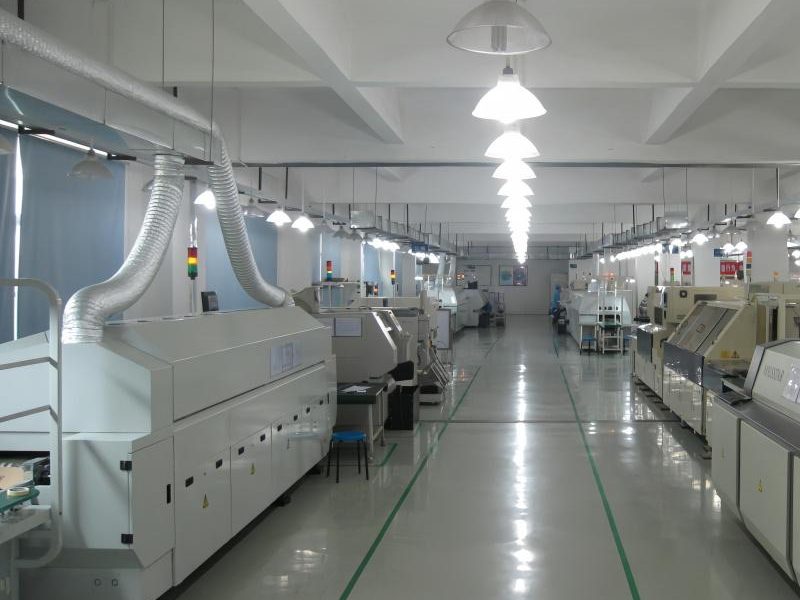
Walk into a low-volume SMT shop and you’ll see it within an hour: changeovers are the rhythm of the day. One job comes off, another goes on. Do it well and the line hums along. Do it poorly and you spend the next two hours chasing wrong parts, first article failures, and a delivery date that keeps slipping.
This is not a theoretical guide. It is what a changeover looks like when it works, and why each step exists. If you are evaluating an SMT PCBA manufacturer, this is also a good checklist to see how their line is actually managed.
Why Changeover Is the Hardest Part of Low-Volume Work
High-volume factories change over once a week, maybe less. Low-volume, high-mix factories change over several times a day. That frequency is what makes changeover the single biggest source of risk in the shop.
What goes wrong when it is not managed:
- Wrong parts loaded at the wrong feeder position
- Missing components that only show up after reflow
- Long downtime that pushes back every job behind it
- First article failures that force rework before production even starts
- Mixed materials left on the line from the last job
For teams building medical electronics or automotive PCBA, these are not just schedule problems. They are quality problems waiting to surface.
Before the Last Board Comes Off
Most changeover delays are not caused by the changeover itself. They are caused by poor preparation.
Here is what should already be ready before the previous job finishes:
At the screen printing station — the correct stencil, squeegee, and PCB for the new job. Check the stencil revision against the work order. Look at the squeegee for wear or deformation. A worn squeegee produces inconsistent prints, and you will not notice it until the first article fails.
At the operator station — materials pulled from the warehouse using the latest feeder list, sorted by feeder position. Using an old list is one of the most common causes of wrong-part loading. It happens quietly, and it costs a lot to fix.
Feeders — prepared for the new job. If they are short, tell the technician immediately. Do not wait until the line is stopped to raise the issue. Every minute of downtime compounds.
At the correction station — drawings for the new job, confirmed against the feeder list and BOM. Version mismatches here are the root of many later problems.
When preparation is done right, the changeover itself becomes mechanical. When it is rushed, everything downstream suffers.
The Changeover Sequence
The changeover involves several stations working in a specific order. Skipping steps or doing them out of sequence creates rework.
- Screen printing finishes the last board and immediately switches to the new job. No pause, no cleanup first. The next job starts now.
- Trial print and first article — print on film, adjust the printer, then produce three OK boards. These become the staging boards for production.
- Material removal — once the last board is done, operators strip the old materials. Correction staff place them in bins at the line side.
- Feeder setup — operators prepare feeders according to the feeder list.
- Material preparation — operators prepare materials per the list. Correction staff load tape and adjust feeder pitch.
- Material verification — correction staff cross-check every material against the feeder list. This is the step that prevents wrong-part loading.
- Nozzle change — operators replace nozzles according to the program configuration.
- Rail width adjustment — after the OK boards are printed, the screen printing operator adjusts the rail width for the new board.
- Production starts — SMT assembly begins. Correction staff organize the removed materials.
The Rules That Actually Matter
These are the rules you will see posted on the wall. Each one exists because something went wrong without it.
Keep removed materials in one place. After stripping, place old materials in bins at the line side. Do not sort them during the changeover. Finish the changeover first, then clean up. Trying to do both at once is how materials get mixed.
Verify feeder position and part number. After materials are prepared, cross-check every feeder position and part number against the feeder list. Wrong-part loading is one of the most expensive errors in SMT. It can take hours to find and fix.
Pull in extra hands. Bring operators from other lines to help during changeover. Do not ask one person to cover multiple stations. Multitasking during changeover is how mistakes happen.
Stay focused. Until production is running normally, operators should not do anything unrelated to the changeover. A phone, a side conversation, a quick question about the last job — these are the small distractions that lead to big problems.
Supervisor tracks the whole process. The assistant line leader or line leader should follow the changeover from start to normal production. Problems should be caught immediately, not after defects appear. By the time you see defects, you have already lost time and materials.
Technician stays on the line. A technician should be available to handle program, nozzle, feeder pitch, and rail width issues as they come up. Waiting for a technician to walk over from another line adds minutes that add up.
Why Low-Volume Factories Feel This More
In a prototype or low-volume SMT factory, changeovers are the norm. Multiple job switches per day are common. A high-volume factory can afford a slow changeover because it only happens once a week. A low-volume factory cannot.
Without a standard process, the results show up quickly:
- Long changeover times that waste capacity
- Wrong-part loading that leads to batch rework
- First article failures that delay delivery
- Material chaos that makes inventory tracking difficult
- Quality fluctuations that trigger customer complaints
This is why low-volume factories depend more on standardized changeover procedures and disciplined line management than high-volume factories do. It is not a nice-to-have. It is how they stay profitable.
How We Handle It at Greenspcba Technology
At Greenspcba Technology, we handle a high volume of low-volume and high-mix orders. Changeover management is part of daily operations, not a special project. We use standardized feeder verification, first article confirmation, material segregation, and on-line technician support to reduce changeover errors and keep quality stable from job to job.
If you are looking for an SMT PCBA manufacturer that can handle low-volume, high-mix production with consistent quality, Send your BOM and Gerber files for a 24-hour quote.
Recent Comments