
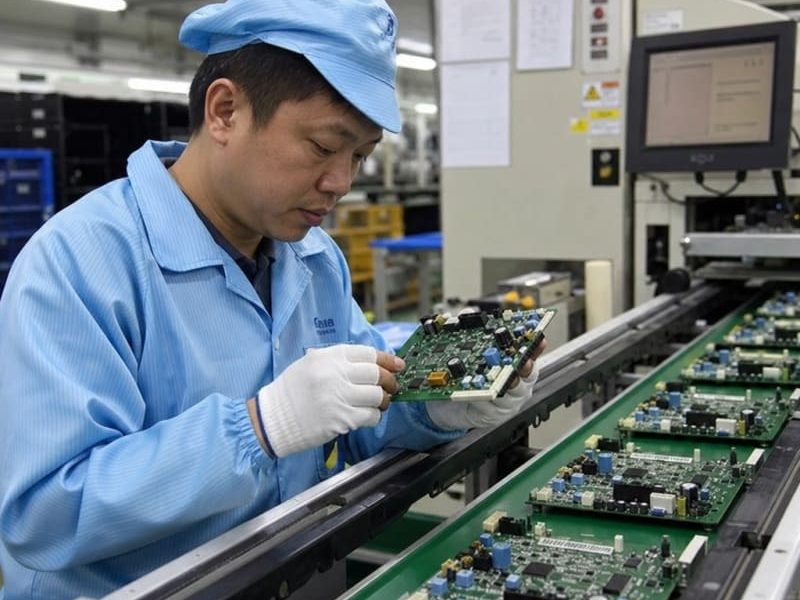
High volume pcb assembly manufacturing
Scaling an electronics product takes more than placing parts on a board. It requires a controlled pcb production process, dependable sourcing, repeatable assembly, and a manufacturing partner that understands what changes when prototypes become production runs. Our high volume pcb assembly support is built for OEMs, product teams, and electronics businesses that need consistent boards, clear communication, and practical guidance from build planning through delivery.
Need reliable high volume PCB assembly near your operation?
If your team is moving from pilot builds to high volume manufacturing or fabrication à grand volume, the right assembly partner helps reduce avoidable delays before they reach the production floor. A local or regional service relationship can make it easier to review documentation, resolve engineering questions, coordinate schedule changes, and keep the build moving without unnecessary back-and-forth. The goal is simple: turn approved PCB data, components, and production requirements into assembled boards that are ready for the next stage of your product workflow.
High volume production is different from one-off assembly because small decisions repeat across hundreds, thousands, or more units. Footprint issues, component substitutions, panel design, solder process settings, test access, and packaging all affect consistency. A production-minded team looks at these details early, so your build is easier to quote, schedule, assemble, inspect, and repeat.
Assembly support for repeatable electronics production
High volume pcb assembly is best suited for products with stable designs, known demand, and documentation that can support repeat builds. That may include industrial controls, IoT devices, communications hardware, consumer electronics, power-related boards, embedded systems, and other electronic assemblies where consistency matters. Whether you need turnkey support or production help around supplied materials, the process should be structured enough to protect quality while staying flexible enough for real-world manufacturing needs.
Our pcb assembly services can support teams that need practical help with:
- Production planning: reviewing build files, assembly drawings, bills of materials, and delivery expectations before work begins.
- Component coordination: identifying sourcing questions, long-lead items, approved alternates, and parts that may need clarification.
- Board assembly: supporting surface mount, through-hole, or mixed-technology requirements depending on the design.
- Process repeatability: setting up workflows that help each batch follow the same manufacturing expectations.
- Inspection and test preparation: helping ensure boards can be checked, handled, and moved to the next stage efficiently.
- Packaging and delivery coordination: preparing finished assemblies for shipment, integration, or downstream production.
For teams comparing electronic assembly solutions, the most important factor is not simply capacity. It is whether the manufacturing process is organized enough to handle volume without losing control of the details that made the approved build work in the first place.
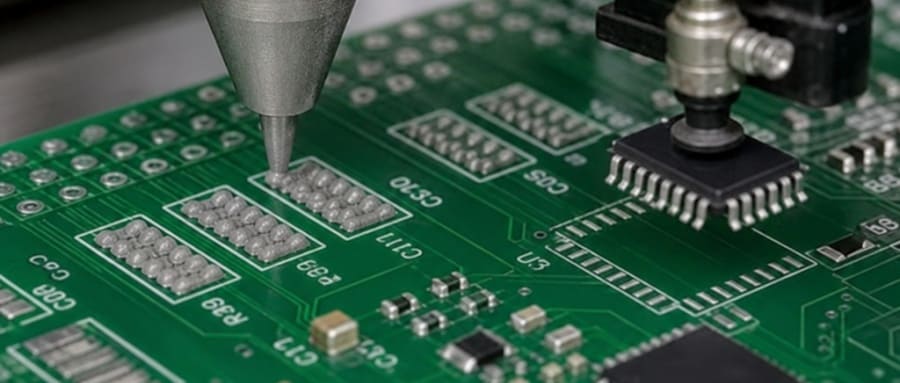
The production path from data package to finished boards
A smooth build starts with a complete data package. Gerbers or fabrication files, centroid data, BOM, assembly drawings, special instructions, test requirements, and packaging preferences all help the production team understand what must happen before materials are released. When information is missing, production can still move forward, but only after questions are resolved; addressing those gaps early helps protect schedule and cost expectations.
A typical high volume workflow may include:
- Documentation review The team checks whether the build package includes the files needed for quoting, procurement, assembly, and inspection. This is where unclear part numbers, missing polarity notes, or footprint concerns can be flagged.
- Manufacturing readiness review The design is evaluated for practical assembly concerns such as component spacing, solderability, fiducials, panel format, test access, and handling. This step helps connect pcb fabrication techniques with assembly realities.
- Material planning and sourcing Components are matched to the BOM, availability is reviewed, and any alternates or substitutions are confirmed before they affect the production schedule.
- PCB fabrication and board preparation Bare boards are produced or received according to the required stackup, finish, and design requirements. For fabrication à grand volume, repeatability in the bare board stage is essential because assembly quality depends on consistent incoming boards.
- Assembly and process control Boards move through the required assembly steps, which may include solder paste application, component placement, reflow, through-hole insertion, soldering, cleaning where applicable, inspection, and handling controls.
- Inspection, testing, and release Finished assemblies are checked against the agreed requirements. Any required functional test, programming, conformal coating, or final packaging should be defined before production begins.
This process gives your team a clearer path from design release to production output. It also makes repeat orders easier because the approved production knowledge can be carried into future builds.
Custom PCB assembly for products that cannot use a generic workflow
Every board has its own manufacturing behavior. A simple sensor board, a dense communication module, and a power management assembly may all require different handling, inspection priorities, and documentation. Custom pcb assembly means the production plan is shaped around the board’s actual requirements instead of forcing every project into the same process.
Customization can include the way materials are sourced, how panels are configured, which inspection points are emphasized, how boards are serialized or labeled, and how finished assemblies are packed for the next step. It may also involve coordination with enclosure assembly, cable connections, firmware loading, or downstream integration when those services are part of the agreed scope.
This is especially important when a board is transitioning from engineering approval into high volume manufacturing. A design that works in a small prototype run may need refinements before it is efficient to build repeatedly. Reviewing those refinements before launch helps reduce rework, supports clearer scheduling, and gives purchasing and engineering teams better visibility into production constraints.
Practical details that improve large production runs
High volume work rewards preparation. Before requesting a production quote or releasing a build, gather the details that influence manufacturability, sourcing, inspection, and delivery. A complete package helps your assembly partner identify the right questions before they become production delays.
Useful items to prepare include:
- Current Gerber or fabrication files, plus drill data if required
- Complete BOM with manufacturer part numbers and approved alternates
- Pick-and-place or centroid file for automated placement
- Assembly drawing with polarity, orientation, and special notes
- Bare board specifications, including material, finish, thickness, and layer count when applicable
- Test requirements, programming instructions, or inspection criteria
- Expected annual volume, release quantity, and target delivery schedule
- Packaging, labeling, serialization, or handling requirements
- Any known supply chain risks, obsolete parts, or controlled components
A practical example: if your BOM includes a microcontroller with limited availability, it is better to discuss alternates before the production slot is scheduled. If the alternate changes firmware, programming, or test steps, the effect is larger than a purchasing substitution. Clear review at the beginning protects both the assembly schedule and the finished product.
Built for volume, planned around your product
High volume pcb assembly is most successful when production planning, fabrication à grand volume, component sourcing, assembly, inspection, and delivery are treated as one connected workflow. The right partner does more than populate boards; they help your team prepare a build that can be repeated with fewer surprises.
If you are ready to move a board into production, gather your latest files, BOM, expected quantities, and delivery goals. Contact the assembly team to review your requirements, discuss the pcb production process, and identify the next steps for a production-ready quote.
Recent Comments