
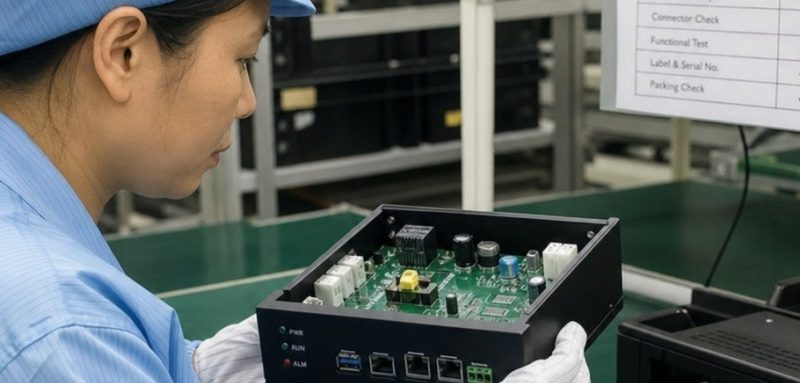
Box build assembly turns a working PCB into a complete, usable product. It connects electronics, wiring, enclosures, displays, labels, firmware steps, and final testing into one controlled workflow. For OEMs, the goal isn’t just to assemble parts — it’s to create a repeatable process that protects quality, controls lead time, and makes scaling easier. Whether you’re building a compact device or a multi-stage electromechanical system, the right planning and manufacturing partner can reduce rework, simplify supply chains, and improve product readiness.
This guide explains what box build assembly is, how it differs from PCB assembly, what’s included, how the process works, and what to look for in a manufacturing partner.
What Is a Box Build Assembly?
A box build assembly is the complete integration of electronic and mechanical components into a finished or semi-finished product enclosure. In practice, it may include PCB installation, cable routing, wire harnesses, power modules, switches, screens, fans, seals, fasteners, labeling, configuration, inspection, and functional testing.
The phrase can describe a simple enclosed circuit board or a complex device with multiple subassemblies. What matters is that the process connects electronics, mechanics, documentation, and test requirements into one controlled workflow. A strong box build plan defines the sequence before production starts, so technicians know exactly how each unit should be built, verified, and packed.
Where PCB Assembly Fits Inside a Box Build
PCB assembly is usually one stage inside the wider box build process — not the whole process.
In a standard PCBA project, the manufacturer places and solders components onto a bare board, then inspects and tests that board. In box build, the scope expands: the assembled PCB is integrated into the product’s physical housing with the required mechanical, electrical, and user-facing parts.
That added scope changes how the project should be managed. The manufacturer must understand not only solder quality, but also torque settings, cable strain relief, airflow, connector access, labeling, enclosure fit, and final-use testing. If the PCB is the brain, the box build is the body, interface, and protection around it.
What Is Included in a Box Build Assembly?
The contents of a box build depend on the product design, but most projects include a mix of electronic, mechanical, and verification tasks. A clear BOM, assembly drawing, test plan, and packaging instruction help prevent confusion between engineering intent and production reality.
Common inclusions:
- PCB integration: Mounting PCBAs into plastic, metal, or custom enclosures
- Cable and harness installation: Routing, tying, connecting, and protecting internal wiring
- Mechanical assembly: Installing brackets, panels, gaskets, screws, spacers, switches, displays, or keypads
- Firmware or configuration steps: Loading approved files or setting device parameters
- Labeling and serialization: Applying rating labels, barcodes, asset tags, or traceability identifiers
- Inspection and testing: Checking fit, finish, continuity, performance, and customer-specific acceptance criteria
- Final packaging: Preparing the product for storage, shipment, or direct delivery
For OEM teams comparing partners, the key question is whether the supplier can control all these tasks under one quality system instead of treating them as disconnected add-ons.
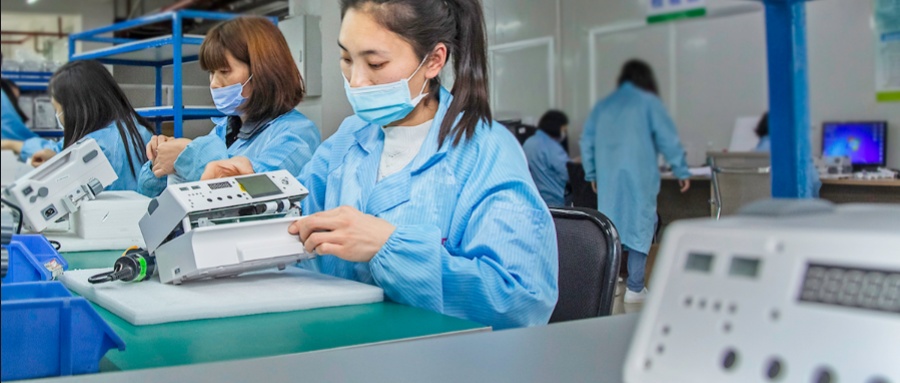
The Box Build Assembly Process
A reliable box build process starts before the first unit reaches the production floor. The manufacturer reviews drawings, BOMs, enclosure files, cable diagrams, testing requirements, packaging needs, and known risks. This review often identifies small design or documentation gaps that could become costly once volume production begins.
A typical process:
- Documentation review — Confirm drawings, revision levels, specifications, and work instructions
- Material sourcing or kitting — Prepare PCBAs, enclosures, hardware, cables, labels, and packaging
- Prototype or pilot build — Validate the assembly sequence and identify fit, access, or testing issues
- Work instruction creation — Document each step with photos, torque values, tool requirements, and acceptance standards
- Production assembly — Build units in a controlled sequence with in-process checks
- Quality control and testing — Inspect workmanship, verify electrical performance, confirm functional requirements
- Final review and shipment — Pack according to customer instructions and release approved units
This is the practical answer behind “What is box build assembly process” searches: OEMs want to know how a product moves from parts to a finished device without losing quality control along the way.
Simple vs Complex Box Builds
Simple and complex box builds differ mainly in the number of parts, assembly sequence, testing depth, and documentation requirements.
A simple build may involve placing one PCBA into a housing, connecting a cable, applying a label, and running a basic functional check. A complex build may include several PCBAs, multiple harnesses, displays, sensors, thermal parts, firmware steps, calibration, and multi-stage testing.
Simple builds still need discipline. A missing washer, pinched wire, or incorrect label can create field problems. Complex builds add more risk because one late component or unclear instruction can slow the entire production flow.
| Build type | Typical features | Main production risk |
|---|---|---|
| Simple box build | Few parts, short routing, basic testing | Repetition errors or incomplete instructions |
| Medium box build | Multiple cables, brackets, labels, test points | Fit issues, cable management, revision control |
| Complex box build | Multi-board systems, configuration, calibration, detailed inspection | Long lead times, test failures, process variation |
The more complex the product, the more value you get from early design-for-assembly feedback.
Where Are Box Build Assemblies Used?
Box build assemblies are used wherever electronics must be protected, connected, controlled, and delivered as a usable product. They appear in commercial, industrial, medical, energy, communications, and consumer-facing devices.
Medical device manufacturing requires consistent assembly, traceability, labeling, and testing. OEMs evaluating box build partners for medical devices should focus on documentation discipline, cleanliness expectations, supplier control, and the ability to support regulated production without vague promises.
Industrial equipment often needs rugged enclosures, secure wiring, panel integration, and repeatable final testing. Energy and monitoring products may need cable management, protective housings, and configuration steps before shipment. Consumer and commercial electronics may place more emphasis on cosmetic finish, packaging, user interface alignment, and scalable throughput.
The common thread: buyers want to know whether a manufacturer has experience with products similar in complexity, documentation needs, and quality expectations.
What Determines Cost and Lead Time?
Cost and lead time are determined by material availability, product complexity, documentation quality, testing requirements, tooling needs, order volume, and change control. A simple enclosure build with available parts moves faster than a multi-board system requiring custom cables, special labels, firmware loading, and detailed functional testing.
Major cost drivers:
- Component count — More parts mean more handling, inspection, and assembly time
- Mechanical complexity — Tight spaces, custom brackets, seals, or precise alignment add labor
- Testing depth — Functional, safety, burn-in, or calibration steps require time and equipment
- Documentation gaps — Missing drawings or unclear revisions create delays
- Supply chain risk — Long-lead components, custom enclosures, and special cables affect timelines
- Packaging requirements — Custom cartons, inserts, labels, and accessories add planning and material cost
The best way to control cost is not to remove important quality steps. It’s to design the product and production package so assembly can be repeated cleanly.
Quality Control and Testing
Quality control should be built into the workflow, not added at the end as a last-minute filter. In-process checks catch issues while the unit is still easy to correct. Final testing then confirms the completed product performs as expected before shipment.
Useful quality controls include first-article inspection, cable pull checks, torque verification, visual inspection, continuity testing, firmware confirmation, functional testing, and packaging review. For products with traceability requirements, serial numbers, lot details, and inspection records should be handled consistently.
Good testing protects the customer. It also protects the manufacturer by creating a clear record of what was built and approved.
A Better Build Starts with a Better Process
Optimizing box build assembly is about more than putting parts into an enclosure. It’s about creating a controlled path from design intent to a reliable, shippable product. When PCB integration, mechanical assembly, testing, labeling, and packaging are planned together, OEMs gain better visibility and fewer production surprises.
At Greenspcba Technology, this is the part of the process we focus on most. We’ve seen too many projects where the PCBA was perfect, but the finished unit still failed at the customer site — because the cable was pinched, the label was wrong, or the functional test never matched real operating conditions. Those aren’t assembly mistakes. They’re process gaps.
If you’re preparing a new project or improving an existing one, start by reviewing your documentation, test expectations, and supplier fit. Then talk with a manufacturing partner that can explain the process clearly, challenge weak points respectfully, and support the quality level your product requires.
If you’d like a second set of eyes on your box build plan, send us your BOM, assembly drawings, and test requirements. We’ll review the build package and come back with a manufacturability review plus a 24-hour quote.
Recent Comments