
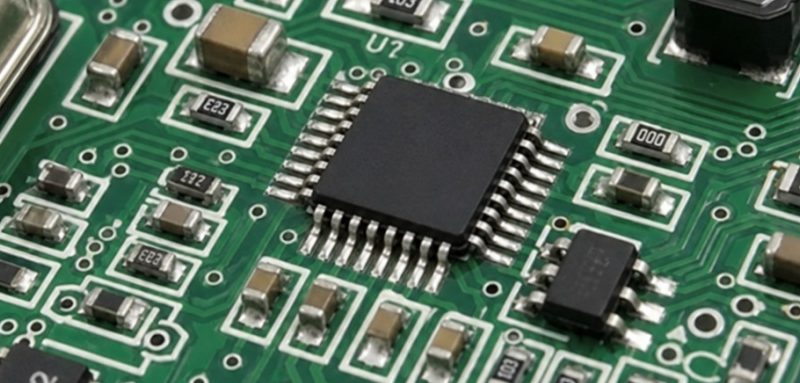
PCB contract manufacturing gives engineering, procurement, and operations teams a practical way to move from board concept to finished electronic assemblies without managing every supplier separately. Instead of coordinating fabrication, component sourcing, assembly, inspection, and logistics across multiple vendors, you work through one production path with a single point of accountability. This service brings custom PCB production, PCB fabrication services, component sourcing, PCB assembly services, inspection, and production support into one coordinated workflow. If your team needs prototypes, repeat builds, or defense contract PCB manufacturing support, the right partner can help reduce handoff friction, keep technical requirements visible from the first quote through final delivery, and catch manufacturability issues before they become expensive rework.
This guide explains what PCB contract manufacturing includes, how the process flows from design files to finished boards, what to prepare for a quote, and how to choose a partner that fits your production reality.
Table of Contents
ToggleWhat Is Included in PCB Contract Manufacturing?
PCB contract manufacturing typically includes the steps needed to turn design data into usable circuit board assemblies: design file review, fabrication planning, bare board production, parts procurement, assembly, inspection, testing support, packaging, and build documentation. The exact scope depends on your product, industry requirements, volume, materials, and whether you need bare boards only or complete electronic manufacturing services.
A strong manufacturing partner does more than “build to print.” They review the details that affect manufacturability, lead time, cost, and reliability before production begins. That means checking whether the design files are complete, identifying possible sourcing risks, confirming finish and stack-up expectations, and making sure assembly requirements are clear enough for repeatable builds.
A Clearer Path from Design Files to Finished Boards
The PCB manufacturing process starts with information quality. Gerber files, drill files, bill of materials, assembly drawings, pick-and-place data, test requirements, and special handling notes all shape the quote and the build plan. When these inputs are accurate, the manufacturer can identify risks early instead of discovering them during production.
For a typical project, the process may include:
Engineering review: Files are checked for completeness, manufacturability, material requirements, tolerances, controlled impedance needs, and assembly constraints.
PCB fabrication: Bare boards are produced according to the approved design, stack-up, copper weight, surface finish, solder mask, and routing requirements.
Component sourcing: Approved parts are procured according to the BOM, with attention to alternates, lifecycle concerns, availability, and traceability expectations.
PCB assembly services: Components are placed and soldered using the appropriate assembly method for the design, such as SMT, through-hole, or mixed technology.
Inspection and test support: Assemblies can be visually inspected and checked according to the agreed requirements, with functional test support when test procedures or fixtures are supplied.
Packaging and delivery: Finished boards are prepared for shipment with the handling, labeling, and documentation specified for the project.
This organized flow helps teams keep responsibility clear. Instead of coordinating separate fabrication, purchasing, assembly, and inspection vendors, you can work through one production path with fewer disconnected updates.
Built for Custom PCB Production Requirements
Custom PCB production is not only about unusual shapes or complex layouts. It often means adapting the manufacturing plan to the real conditions of your product: sensitive components, tight enclosure fit, harsh operating environments, small production lots, documentation needs, or future scaling plans. A contract manufacturing approach allows those details to be considered as part of the full build, not treated as afterthoughts.
This matters when the board is part of a larger system. A prototype that works once on a bench may still need refinement before it is ready for repeat production. By reviewing fabrication and assembly together, the manufacturing team can help flag details such as component spacing, solderability concerns, panelization choices, connector access, or test point placement.
Useful customization options may include:
Prototype, pilot, and production build planning
Single-sided, double-sided, or multilayer board support, depending on capability
SMT, through-hole, or mixed-technology assembly workflows
Project-specific material, finish, and documentation requirements
Build notes for special handling, labeling, packaging, or inspection
Support for approved alternates when sourcing constraints appear
One Partner for Fabrication, Assembly, and Production Coordination
Using separate vendors for PCB fabrication services and assembly can work, but it often creates extra coordination. If a bare board issue affects assembly, teams may spend time determining whether the problem came from design, fabrication, sourcing, or placement. PCB contract manufacturing reduces that friction by connecting the key production steps under one managed workflow.
This integrated model is especially useful when your internal team is focused on product development, customer commitments, or system-level integration. Instead of chasing updates across multiple suppliers, you can request a coordinated quote, review technical questions in one place, and align delivery expectations around the complete assembly.
Key benefits include:
Fewer handoffs: Fabrication, procurement, assembly, and inspection are planned together.
Earlier risk visibility: File, sourcing, and assembly concerns can be raised before production starts.
More consistent repeat builds: Approved documentation and revision control support future orders.
Better purchasing clarity: BOM issues and component availability can be addressed before they affect the schedule.
Simpler communication: Your team has a clearer path for questions, updates, and change
Pricing Is Based on Your Build Details
PCB contract manufacturing pricing depends on design complexity, board quantity, layer count, materials, surface finish, component count, sourcing conditions, assembly method, inspection needs, test requirements, and documentation scope. Because these variables change from project to project, a custom quote is the most accurate way to understand cost and lead time.
To receive a useful quote, provide as much of the production package as possible. A partial file set may be enough for an early estimate, but a final quote usually requires complete design and assembly data. If the project is still in development, share the known requirements and note what is still open so the manufacturer can respond appropriately.
For faster quoting, include:
Gerber and drill files
PCB fabrication notes and stack-up requirements
Bill of materials with approved alternates, if available
Pick-and-place file for assembled boards
Assembly drawings or build instructions
Quantity targets for prototype and production phases
Test, inspection, packaging, and documentation expectations
Quality Starts Before the First Board Is Built
Reliable production depends on decisions made before manufacturing begins. A clear review process can catch missing files, ambiguous notes, hard-to-source components, and assembly concerns before they become rework. This is where experienced electronic manufacturing services add value: they help connect design intent with practical production steps.
For example, a team may submit a design for a low-volume control board with several long-lead components and limited test access. During review, the manufacturer may ask about approved alternates, suggest confirming test point access, and clarify whether the build needs special packaging. None of those questions changes the product concept, but each one can make production smoother and more repeatable.
A quality-focused workflow may include:
Incoming file and BOM review
Manufacturing readiness checks
Component availability review
Assembly process planning
Visual inspection and production records
Customer-defined functional test support
Final packaging review before shipment
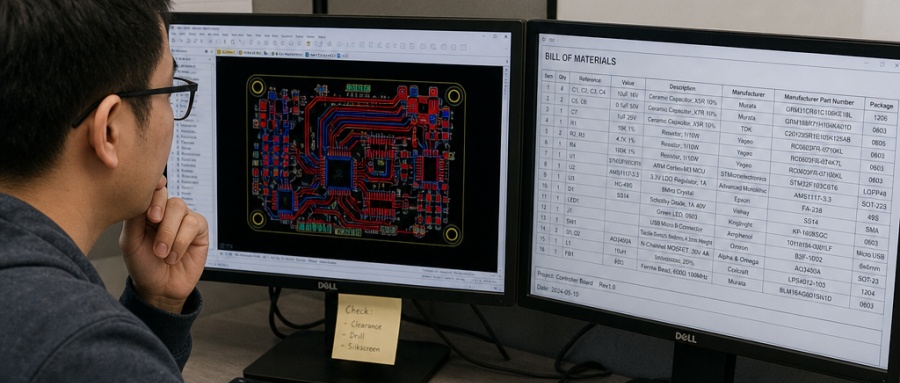
Request a Manufacturing Review
If you need PCB contract manufacturing for a prototype, custom build, production refresh, or defense-oriented assembly, start with a file review and quote request. Share your design package, target quantities, required delivery timing, and any quality or documentation requirements. A clear inquiry helps the manufacturing team respond with the right scope, realistic expectations, and the next steps needed to move your boards into production.
Frequently Asked Questions
PCB fabrication creates the bare printed circuit board. PCB assembly adds the electronic components to that board through soldering and related production steps. PCB contract manufacturing can combine both services so the customer receives finished assemblies rather than bare boards only.
Many contract manufacturing workflows can support prototype, pilot, and repeat production needs, but exact capabilities depend on the supplier and project details. Sharing both short-term and long-term quantity expectations helps the manufacturer plan the right process.
Complete files produce the most accurate quote. If your design is not final, you can still request an early review, but you should clearly identify which files, quantities, or requirements may change.
Provide Gerber and drill files, BOM with approved alternates, pick-and-place data, assembly drawings, quantity targets, and any test, inspection, packaging, or documentation requirements. Partial packages can support early estimates, but final quotes need complete data.
PCB contract manufacturing supports a wide range of industries, including medical devices, automotive electronics, industrial control and automation, communications and networking, and consumer electronics. Each industry has different requirements for traceability, testing, documentation, and quality standards, so the manufacturing scope should be confirmed based on the product’s risk profile and regulatory environment.
Recent Comments