
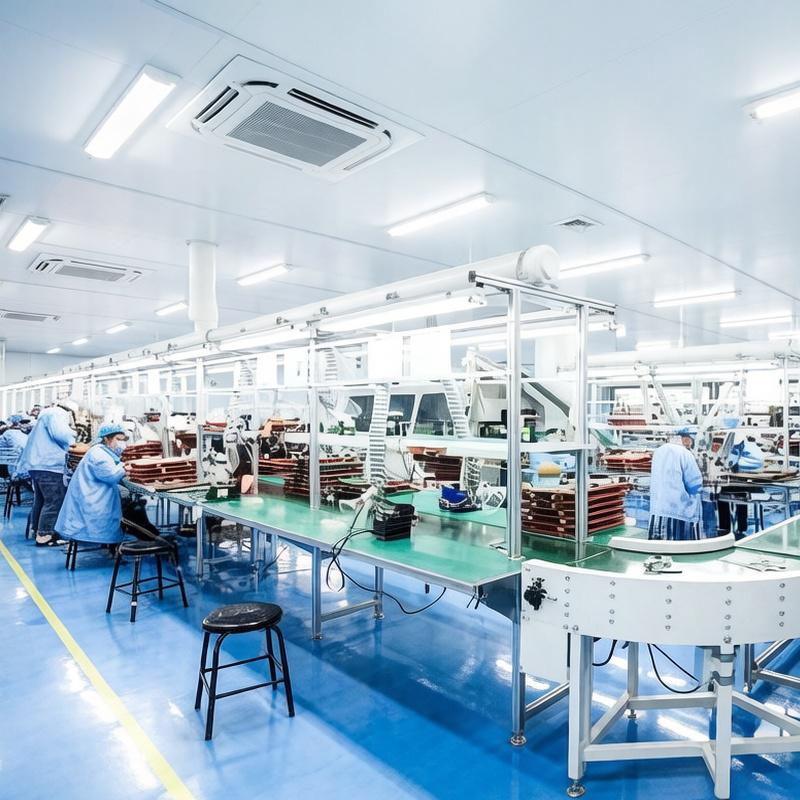
High-Reliability Through-Hole
While SMT leads in miniaturization, Through-Hole Technology (THT) remains the king of durability. For products that must survive heavy vibration, high-voltage surges, or extreme thermal cycles, a strong mechanical bond is non-negotiable.
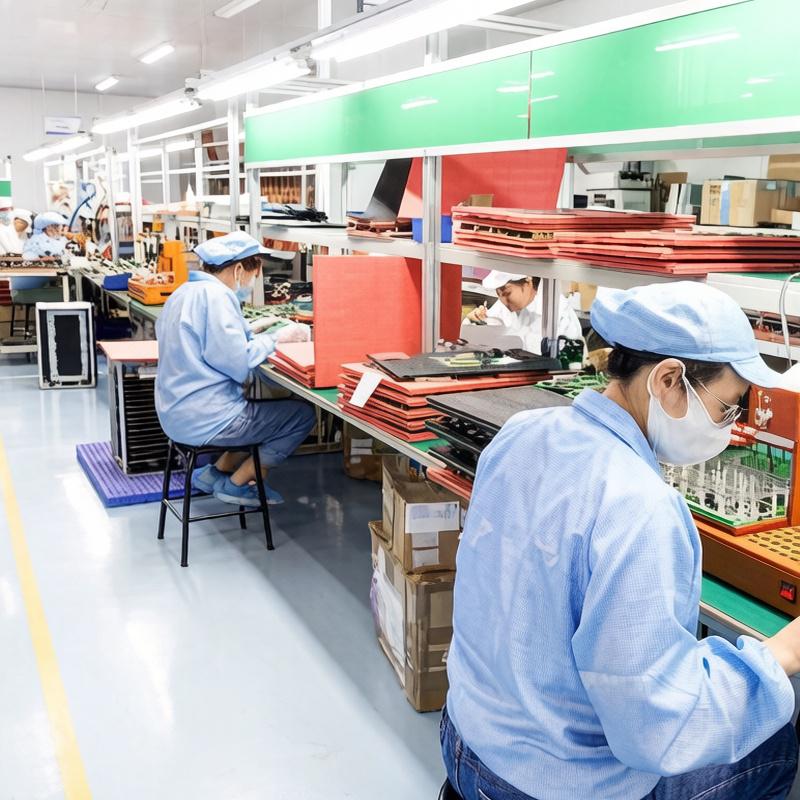
At Greenspcba, we combine artisanal hand-soldering precision with high-speed automated wave soldering to deliver assemblies that never fail in the field.
Our Through-Hole Capabilities: From Prototype to Scale
We don’t just “solder parts.” We provide a controlled manufacturing environment that ensures every joint meets IPC Class 3 standards.
| Service Category | Best Use Case | Our Edge |
| Manual Hand Soldering | Prototypes & Low Volume | NASA-trained precision for complex boards. |
| Automated Wave Soldering | High-Volume Production | Nitrogen ($N_2$) atmosphere to prevent oxidation. |
| Selective Soldering | Mixed SMT + THT Boards | Precise soldering of THT pins without damaging nearby SMT. |
| Press-Fit Assembly | Solderless High-Speed Links | Controlled-force insertion for backplanes. |
Why THT Still Dominates High-Performance Electronics
Don’t let anyone tell you Through-Hole is obsolete. We specialize in THT for industries where “failure” means disaster:
Mechanical Integrity: Ideal for heavy components like transformers and large connectors that would snap off an SMT pad under stress.
High Power Handling: THT joints offer lower resistance and higher heat tolerance for power supplies and motor controllers.
Extreme Durability: Perfect for Aerospace, Defense, and Industrial IoT devices operating in harsh environments.
Quality Certifications & Testing
In the world of industrial electronics, Traceability = Trust.
- ISO 9001:2015 Certified management system.
- Full Component Traceability: We track every batch from authorized distributors.
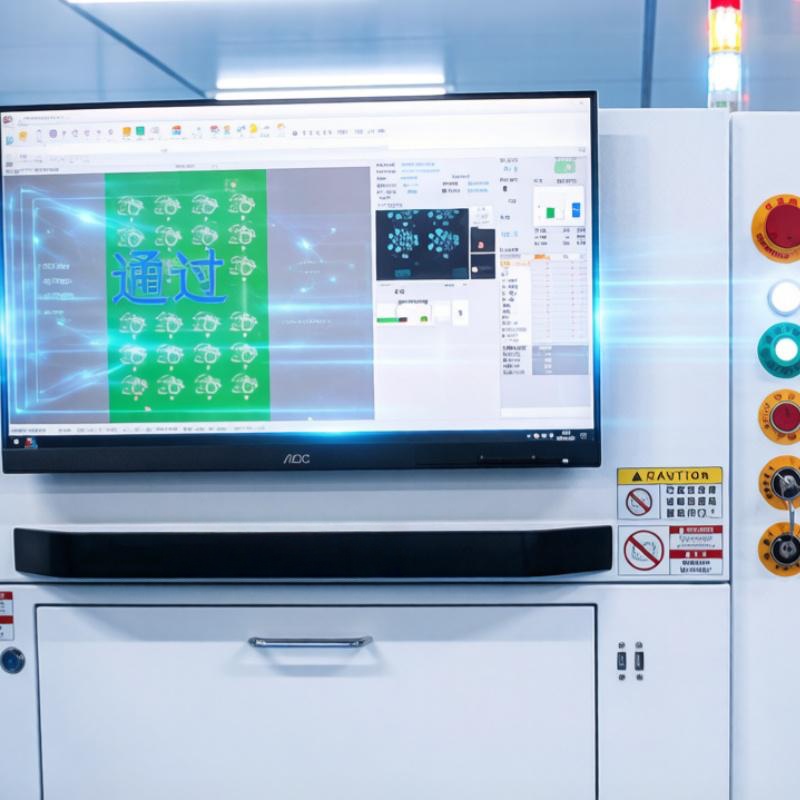
- Advanced Testing: AOI, X-Ray (for hidden joints), and In-Circuit Testing (ICT).
- ESD Protection: Entire facility is ANSI/ESD S20.20 compliant.
Mixed Technology: The Best of Both Worlds
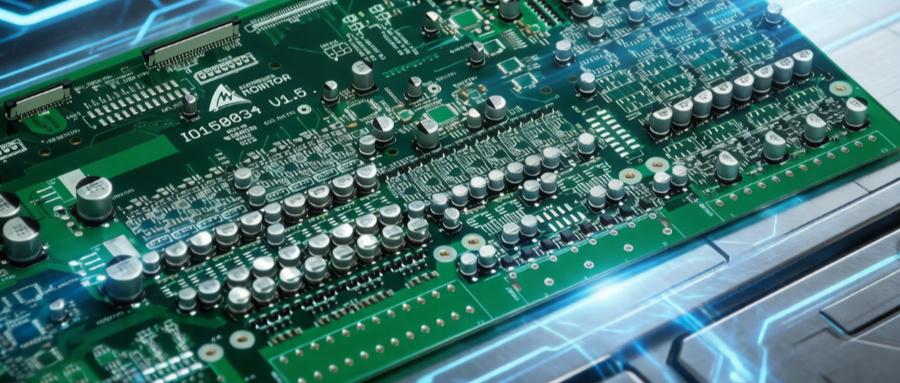
Most modern designs require a mix of SMT and THT. We offer a One-Stop Seamless Workflow:
- High-speed SMT for micro-electronics.
- Precision THT for power and connectivity.
- Final Box Build and Enclosure Assembly.
Frequently Asked Questions (FAQ)
THT is superior for components that undergo physical stress (like connectors, switches, and heavy transformers) or high thermal loads. If your product is used in industrial environments, automotive systems, or power electronics, THT provides the mechanical “root” that SMT simply cannot match. We often recommend a Mixed Technology approach to balance size and strength.
We choose the method based on your volume and complexity:
- Manual Soldering: Best for prototypes and sensitive components that can’t withstand the heat of a wave. Our technicians are IPC-certified.
- Wave Soldering: Best for high-volume, standard THT boards to ensure speed and consistency.
- Selective Soldering: The “gold standard” for mixed boards, allowing us to solder THT pins precisely without affecting nearby SMT components.
For high-reliability applications (IPC Class 3), we ensure a minimum of 75% to 100% vertical solder fill. We achieve this through precise flux application, controlled pre-heating, and post-assembly X-Ray inspection to verify that the solder has wetted the entire barrel of the hole.
Yes. We maintain separate, dedicated soldering stations and pots for RoHS-compliant and Leaded processes to prevent cross-contamination. Please specify your requirement in your BOM, and we will provide the appropriate certification.
We can process boards up to 3.2mm thick and handle heavy copper (up to 4oz). These projects require specialized pre-heating profiles to ensure the solder flows correctly through the thermal mass of the board—a challenge our engineering team handles daily.
Yes. Many THT boards are used in harsh environments. We offer Conformal Coating (silicone, acrylic, or urethane) to protect your assembly from moisture, dust, and chemical corrosion. This is a critical step for outdoor or industrial electronics.